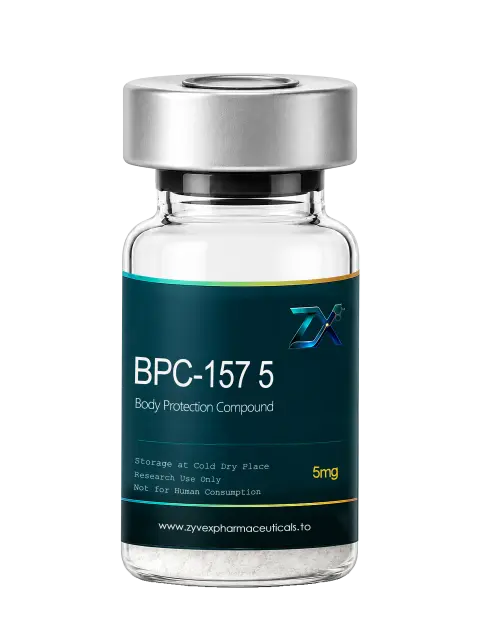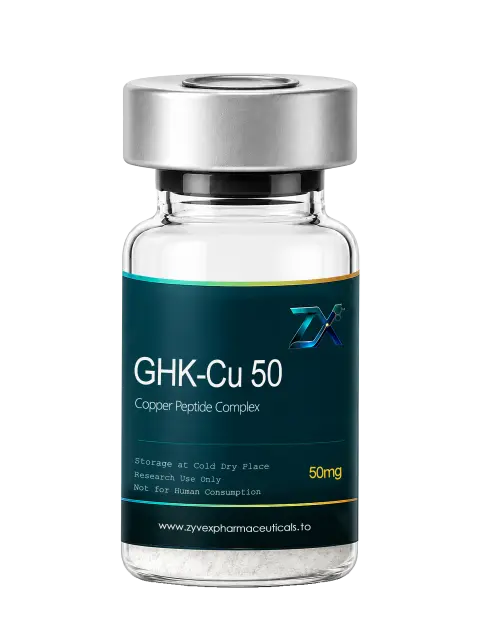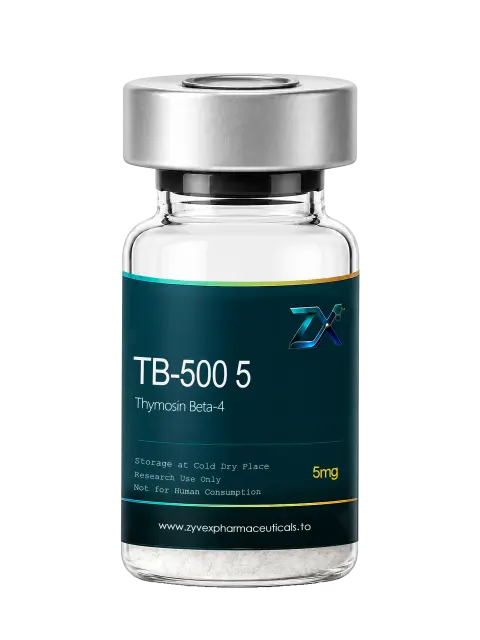
Product photograph of the current pack. Each physical unit carries the same blue-teal ZX label artwork, a batch code and a scratch-off verification panel.
GHK-CU 50
GHK-CU
- Compound
- GHK-CU
- Category
- Peptides
- Brand
- Copper Peptide
- Manufacturer
- Zyvex Pharmaceuticals
- Presentation
- vial
- Strength
- 50 mg
- Route
- Injection
- Storage
- 15–25 °C, protected from light, do not freeze
Batch analysis
Independent batch results for GHK-CU 50 are not yet published. They will be added here once testing is complete.
Product information
About GHK-CU 50
50 mg · one vial · Zyvex Pharmaceuticals
GHK-CU 50 from Zyvex Pharmaceuticals contains 50 mg of GHK-Cu in one vial. The vial amount describes total content, not an administered dose.
This prospect summarises composition, clinical considerations and handling. It supports professional review and does not replace an individual prescription or verified instructions for the exact preparation.
Basic Identification & Composition
Product Name & Active Ingredient
GHK-CU 50 is the product name used by Zyvex Pharmaceuticals. The ingredient discussed in the following sections is GHK-Cu, classified as a copper-binding tripeptide complex.
Qualitative & Quantitative Composition
| Property | Details |
|---|---|
| Product name | GHK-CU 50 |
| Manufacturer | Zyvex Pharmaceuticals |
| Active ingredient | GHK-CU |
| Strength | 50 mg |
| Package | one vial |
| Drug class | Copper-binding tripeptide complex |
| Molecular composition | Copper complex of glycyl-L-histidyl-L-lysine; formula depends on complex and salt form |
| Presentation | Vial; preparation and route require formulation-specific instructions |
Dosage Form
A vial presentation. A vial may contain a ready-to-use preparation or material requiring preparation, so the exact dosage form must be confirmed before administration. Total milligrams do not establish concentration, injection volume or sterility.
Clinical Particulars
GHK-CU 50 uses
GHK-CU 50 from Zyvex Pharmaceuticals contains ghk-cu. GHK-Cu is studied in skin repair and tissue-remodelling research. Human work includes topical skin-care regimens after laser resurfacing; this does not establish an injectable medical treatment.
People seek copper peptides for skin appearance and anti-ageing goals. Claims about hair, recovery or systemic wellbeing should not be treated as demonstrated benefits of this vial.
A topical formulation's concentration and application schedule cannot be converted to an injection dose. The reviewed evidence does not establish a reliable human injection protocol for a 50 mg GHK-Cu vial. Topical research and systemic administration must remain distinct.
Dosage and Administration
A reliable routine human dosing regimen cannot be established from the available clinical evidence. The product strength must not be converted into a self-treatment schedule. Human use requires an appropriately supervised clinical or research setting with a defined protocol. A 50 mg vial is not equivalent to a measured topical dose or an established injectable regimen. Evidence from skin-care formulations cannot be used to set an injection dose.
Contraindications
A complete clinical contraindication profile has not been established. Avoid exposure with known hypersensitivity, during pregnancy or breastfeeding, and in children outside a properly reviewed clinical setting. Absence of a listed contraindication is not evidence of safety. Disorders of copper metabolism warrant particular specialist attention.
Warnings and Precautions
Injectable GHK-Cu can present immune-reaction risks related to aggregation and peptide impurities. Clinical experience with a topical preparation does not establish the safety of systemic exposure. Sterility and exact complex identity matter for an injectable preparation.
Risks and Interactions
Drug & Food Interactions
Human interaction studies are limited. A clinician or study team should review all prescription medicines, nonprescription products and supplements. There is no basis for assuming that combinations with other experimental compounds are safe. Copper supplements and copper-binding treatments should be included in that review.
Pregnancy and Lactation
Adequate pregnancy, lactation and reproductive safety evidence is lacking. Avoid exposure during pregnancy or breastfeeding. Any reproductive-risk precautions in a clinical study should be directed by the study team.
Side Effects and Adverse Reactions
A dependable frequency-based adverse-reaction profile cannot be established from the available human evidence. Limited reports cannot rule out uncommon or delayed harm. Seek urgent care for breathing difficulty, facial swelling, collapse or severe symptoms after exposure.
Overdose Protocol
For a suspected overdose, contact a poison-information service or urgent medical care and provide the product, amount, time and other substances taken. Collapse, seizures or breathing difficulty require emergency help. Do not induce vomiting or attempt an antidote at home. Clinical treatment depends on symptoms and the substances involved.
Scientific & Technical Data
Pharmacodynamics
GHK-Cu combines copper with the tripeptide glycyl-L-histidyl-L-lysine. It has been studied in tissue and skin-related biological systems. Those findings do not establish a predictable whole-body therapeutic response to a vial preparation.
Pharmacokinetics
The behaviour of a copper-peptide complex depends on its chemical form, formulation and route. Human pharmacokinetic data for this vial cannot be inferred from topical studies or from a different copper compound.
Storage and Handling
Keep the sealed container protected from direct light, excessive heat and accidental access. Temperature, transport conditions and expiry must be supported by stability information for the finished preparation. For a vial, any conditions after opening or preparation must also be validated for that formulation. Refrigeration alone does not establish sterility or a safe period of use. Arrange disposal through a pharmacist or the supervising research service.
Browse more